Roy Louis Garcia

Full-Stack Developer & Security-First Practitioner

Delivering production-ready web products through continuous learning, deliberate engineering, and defense-in-depth principles.

Stack Next.js · TypeScript · Supabase · Vercel

Security Zero Trust Architecture · NIST Frameworks · Cloud Security

Philosophy Keep systems simple, test core assumptions, and build software that fails safely.

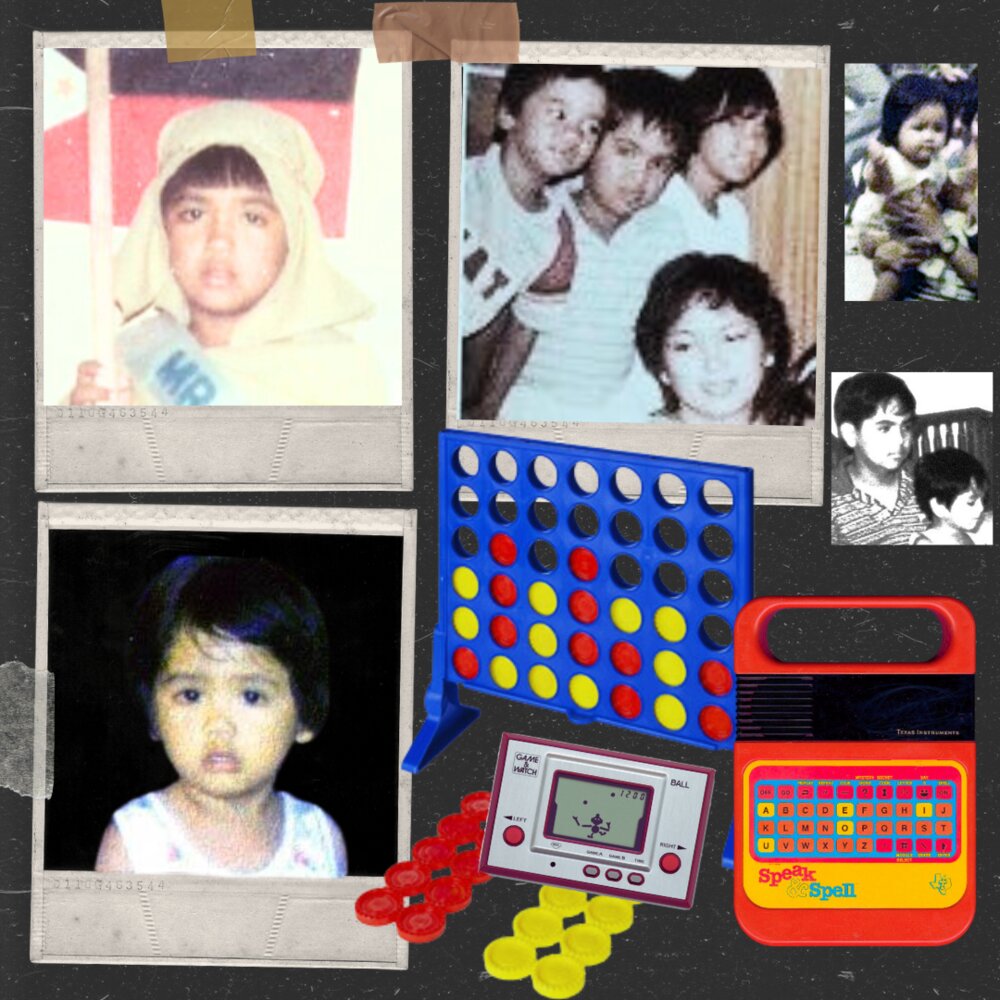
See Projects for what I've shipped · the polaroids on the right tell the longer story · roygarcia201@gmail.com
Toys

I was a child once ..

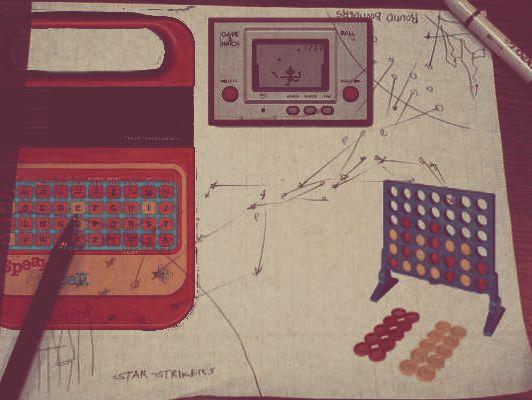
As a child, I was drawn to toys that sparked creativity and thought—paper-and-pencil games, the TI Speak & Spell, Game & Watch, Connect Four, and others. My early fascination with how things work blossomed into a lifelong habit of questioning, tinkering, and learning. I often dismantled my own toys—not out of boredom, but out of curiosity. Though I rarely discarded them, I repurposed broken pieces or reimagined their design into something new. There was a quiet satisfaction in giving old objects fresh life, whether by rebuilding, repurposing, or simply understanding them better.
Toys

My early games of choice made me competitive, curious, and resilient

My curiosity didn’t stop with toys—it evolved right alongside my growing interest in computers. As I began exploring this digital frontier, I discovered the value of methodical reading, diving deep into instruction manuals like they were treasure maps. Yet I never let caution dull my instinct to experiment. One memorable moment early on: I opened a Calendar program file in Notepad. It turned into a small mistake with a big lesson—I learned to always back up files before tinkering. That mindset has stayed with me ever since, shaping a careful-yet-bold approach to learning, problem-solving, and protecting digital environments.

... in highschool and college, I learned about electronics communication, guitar, radiohead, electronic music, phreaking, and programming ...
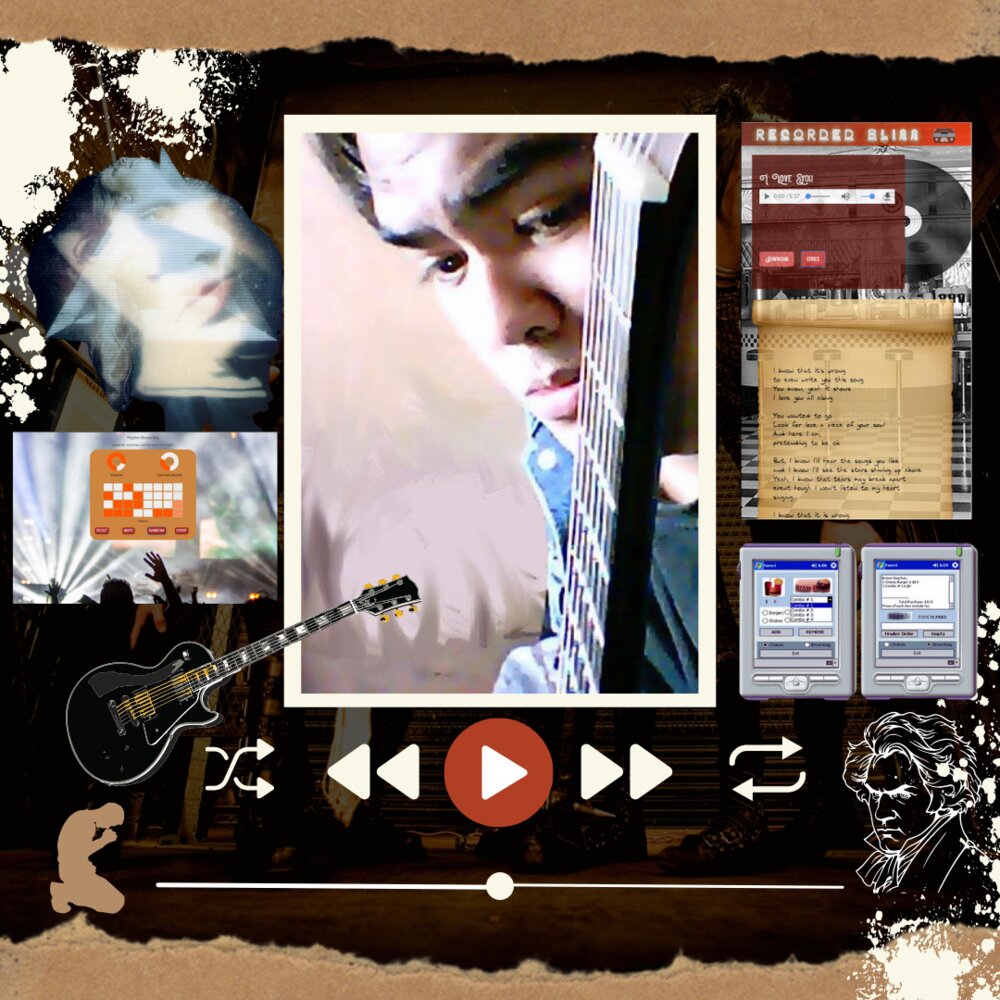
"Adulthood is not an age, but a stage of knowledge of self." — John Fowles

I believe learning is perpetual—even after school, there's always more we don't know. I also believe that technology is not neutral. It can be used ethically or to cheat others of opportunities. I love learning about the duality of what a famous builder named Robert Moses did that affect accessibility and fairness.

Security, Ethics and Where I Fit In ...

As a developer, hiding complexity from users isn't enough—what matters is that the product is excellent and secure under the hood. I hope to build tools that genuinely help people.

I moved away from being a generalist or Jack of All Trades, but I still gravitate toward the overlap of cybersecurity, software development, social media marketing, data analytics, machine learning, and life.


Projects


Security
Product & Full-Stack
Academic
Personal
Security

Cloud and enterprise security work — SIEM/SOAR, Zero Trust architecture, identity and compliance — and the security-first products I build around it.

1 / 0
Product & Full-Stack

End-to-end product work — Next.js / React / TypeScript on Supabase and Vercel — where I own concept, front and back end, security, and SEO. Part of the Deliberately Deliberate ecosystem.

1 / 0
Academic

Seeking solutions instead of dwelling on problems is a virtue that my father reminded me before he passed away. As a first-generation immigrant, balancing family life and studies became a paramount skill and necessity.

I learned to make use of technological tools and virtual communities for help. I remember using xanga blog account to host and share electronic pdfs of lectures nots and recorded mp3 audio of lectures that were approved and shared by professors. Back then, I only had my Palm Pilot and Sony Clie to record. Since then, technology became an extension that enabled me to persevere. I involved myself in projects that aims to provide solutions.

Click on the logos below to learn more about the courses and projects I completed during my education:

HARTNELL COMMUNITY COLLEGE

What this proves: the math and physics fundamentals — calculus through differential equations and linear algebra — behind the engineering.

A.S. Computer and Information Science
A.S. Physics
A.S. Mathematics

Hartnell College has launched my interests in computing and its benefits to humanity. Initially, I wanted to major in Mathematics or Physics. After taking computer courses and actually using technology as aid to my studying, I decided to change my major to Computer Science. Since the overlap among these three majors were also the transfer requirements to bigger universities, I decided to get all three associate degrees. I also made a point of getting to know the CS faculty and networking with peers.

Courses

ADJ 1 Introduction to Administrative of Justice
AST 1 Introduction to Astronomy
BIO 42 Human Biology

CIS 1 Object Oriented Programming
CIS 106 Operating Systems/Assembly Language
CIS 2 Introduction to Data Structures
CIS 3 Computer Organization
CIS 5 Introduction to Computer Science

ECO 5 Principles of Micro Economics
ENG 101 Grammar and Composition
ENG 1A Composition and Reading
ENG 1B Chicano Perspective
FRN 1 Elementary French
HIST 17A History of the United States
HIST 4B History Western Civilization
INS 250 Tutor Training

MAT 123 Intermediate Algebra
MAT 3A Analytical Geometry/Calculus 1
MAT 3B Analytical Geometry/Calculus 3
MAT 3C Analytical Geometry/Calculus 2
MAT 4 Linear Algebra
MAT 5 Differential Equations

MUS 2 Music Fundamentals
PHL 15 Critical Thinking

PHY 4A Physics: Mechanics and Properties of Matter
PHY 4B Physics: Electricity and Magnetism
PHY 4C Physics: Heat, Sound, and Light

POL 1 American Institutions
PSY 15 Human Sexuality
PSY 1A General Psychology
SPE 3 Introduction to Communication

Projects

1 / 0

CALIFORNIA STATE UNIVERSITY MONTEREY BAY

What this proves: a programming and systems-administration core — writing the software and running the systems it depends on.

B.S. Telecommunication Multimedia Applied Computing (TMAC)
Concentration: Programming and Systems Administration

Further learning made me understand how technology can make or break opportunities. At CSUMB, my goal of helping bridge the digital divide got started. I became an advocate for assisstive technology. I worked on projects that focused on usability and accessibility.

Also, I started using open source tools to help small businesses create their content management systems, web sites and social media presence. I wanted to give back and contribute to enabling people via technology, especially those that will empower business owners to be their own administrators of tools I help create.

Courses

BUS 651 VENTURE FORMATION AND FINANCIAL STRATEGY
CST 361s TECHNOLOGY TUTORS
CST 201 MEDIA TOOLS
CST 231 C++ PROBLEM SOLVING AND PROGRAMMING

CST 300 MAJOR PROSEMINAR
CST 311 INTRODUCTION TELECOMMUNICATIONS
CST 334 UNIX AND X-WINDOWS
CST 336 INTERNET PROGRAMMING
CST 337 COMPUTING ARCHITECTURE AND ENVIRONMENT
CST 338 SOFTWARE DESIGN
CST 363 DATABASE MANAGEMENT: METHODS AND APPLICATION
CST 373 ETHICS IN COMMUNICATION AND TECHNOLOGY
CST 395 INTRODUCTION COMPUTER GAMING

CST 400 SENIOR CAPSTONE PROJECT PLANNING
CST 401 CAPSTONE LABORATORY
CST 430 TECHNOLOGY AND INFORMATION
CST 434 ADVANCED UNIX SYSTEMS ADMINISTRATION
CST 496 CAPSTONE DIRECTED STUDY
CST 595 DATABASE MANAGEMENT: ADVANCED

Projects

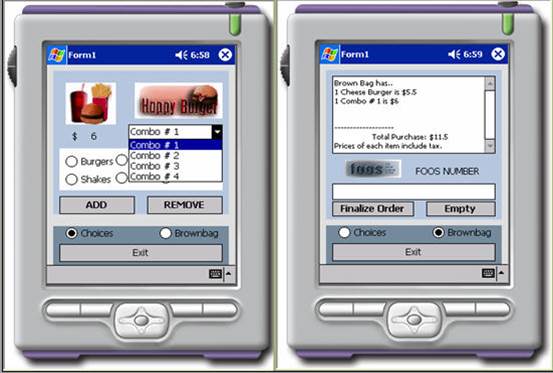
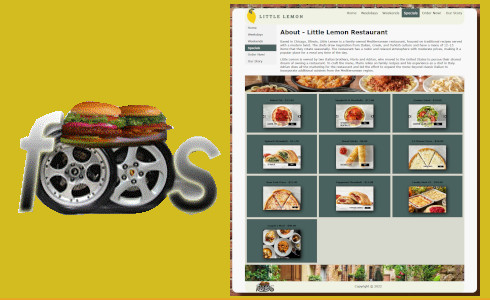
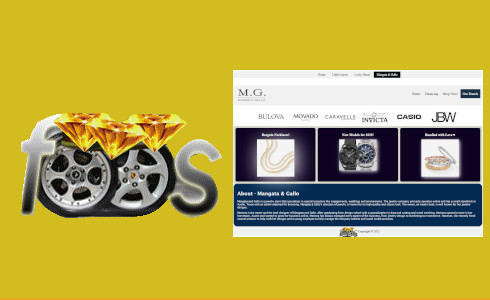
Project 1: CAPSTONE: Fast Online Ordering System

This project was a capstone project that I worked on. I created a web-based system that allows users to order food online. The system was designed to be user-friendly and efficient, allowing customers to place orders quickly and easily.

FOOS Food Interface
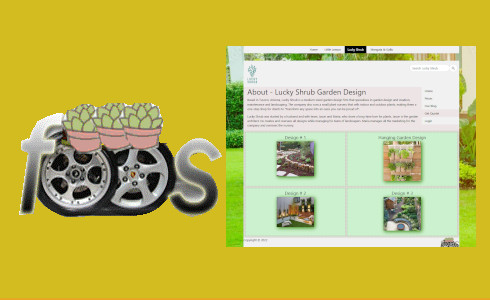
FOOS Garden Module
FOOS Jewelry Section

Project 2:

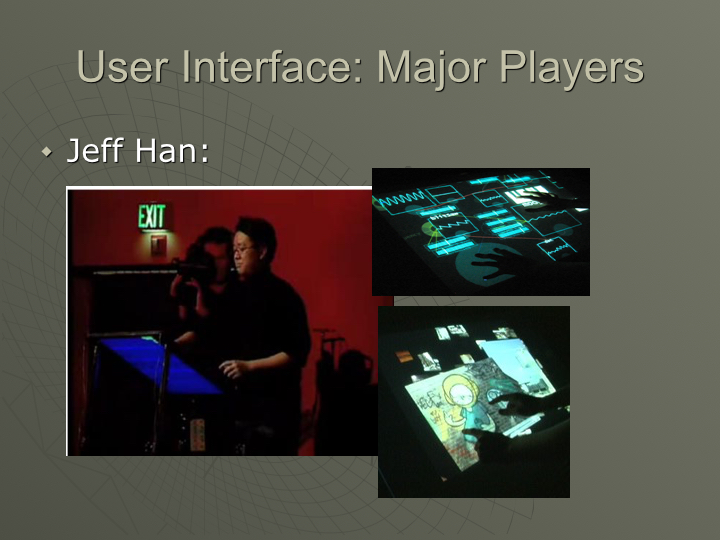
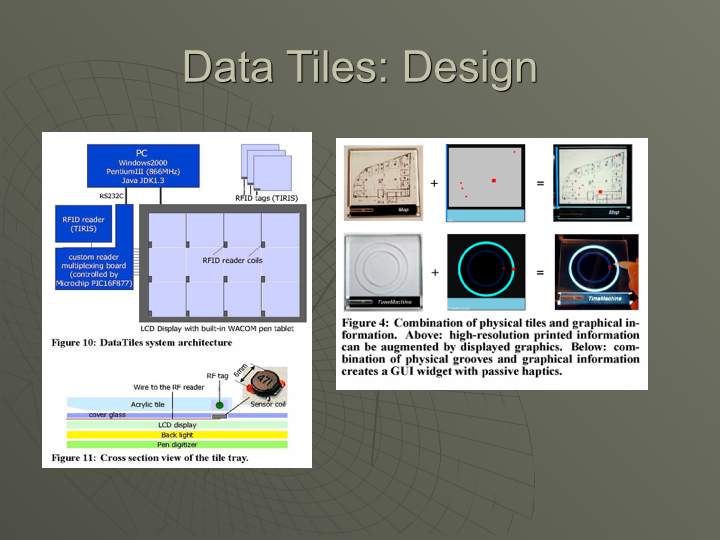
This project was a report about a technology that was made by Sony's

Jun Rekimoto and Jeff Han.

This system integrates three

  • significant interaction ideas: Uses transparent acrylic tiles to serve both as physical windows for digital information and to trigger specific actions
  • Mixed visual and physical interactions: interact using a pen; Grooves engraved upon the tile surfaces also act as passive haptic guides of pen operations.
  • Placing several tiles together can create a more complex system

I had been interested in modular design of reusable and reconfigurable components. What they were doing back in 2006 are now embedded in often marvelous design innovations we take for granted. Below is a video to showcase what they were designing back then:

CAPELLA UNIVERSITY

What this proves: graduate-level training in information assurance, enterprise architecture, and risk management — the security foundation under everything I build now.

M.S. Information Systems and Technology Management
Concentration: Information Assurance and Security

I learned how to manage complex enterprise technology systems, design enterprise architecture, manage risk mitigation, and evaluate data to create business intelligence and data modeling that drive strategic decision making.

We studied to be the first line of defense for organizational networks. The MS in Information Assurance and Cybersecurity, Network Defense at Capella prepares students to assess, develop and implement solutions that safeguard information assets in today’s complex digital environment. Students acquire hands-on experience in our virtual lab, managing real-time responses to security breaches and performing vulnerability assessments. Knowledge to prepare for certifications like the CEH, CNDA, and CISSP® are studied.

CAPELLA's School of Business, Technology, and Health Care Administration - MS in Information Assurance and Cybersecurity program

Courses


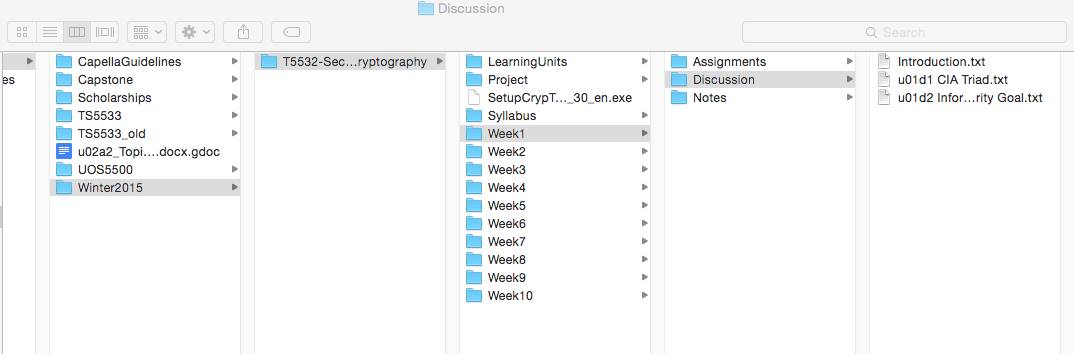
IAS 5015 Ntwk Sec Fund & Cryptography
ISTM 5008 Networking Fundamentals
ISTM 5900 Info Sys Tech Mgmt Capstone

TS 5004 Technical Communications
TS 5010 Introduction to Enterprise Application and Architecture
TS 5011 Managing People and Technology
TS 5130 System Development Theory & Practice
TS 5160 Business Foundations
TS 5311 Enterprise Security
TS 5312 Security Risk Management
TS 5533 Wireless Security
TS 5536 Ethical and Legal Consideration in I.T.

Projects

Studies

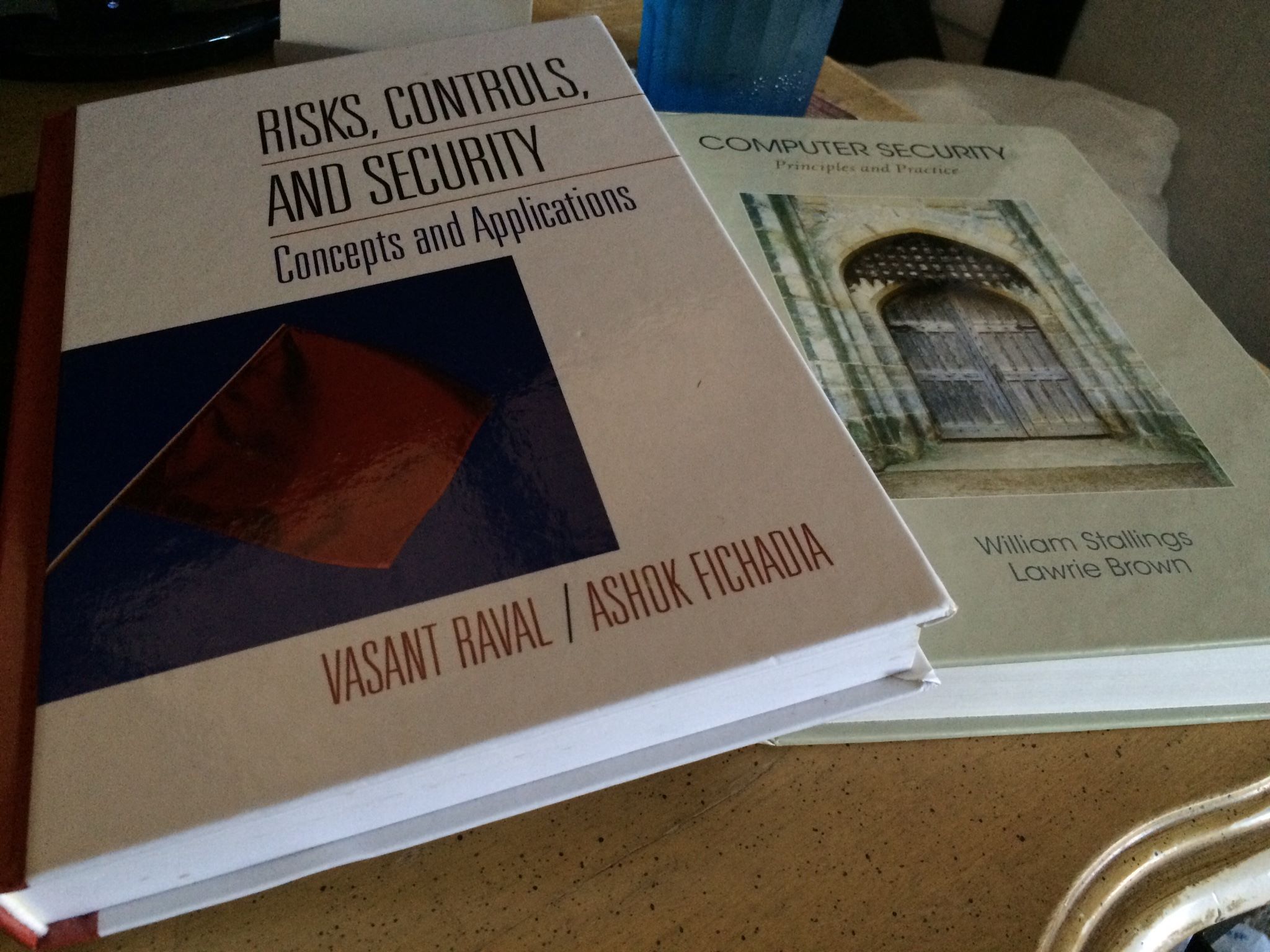
Books

Personal

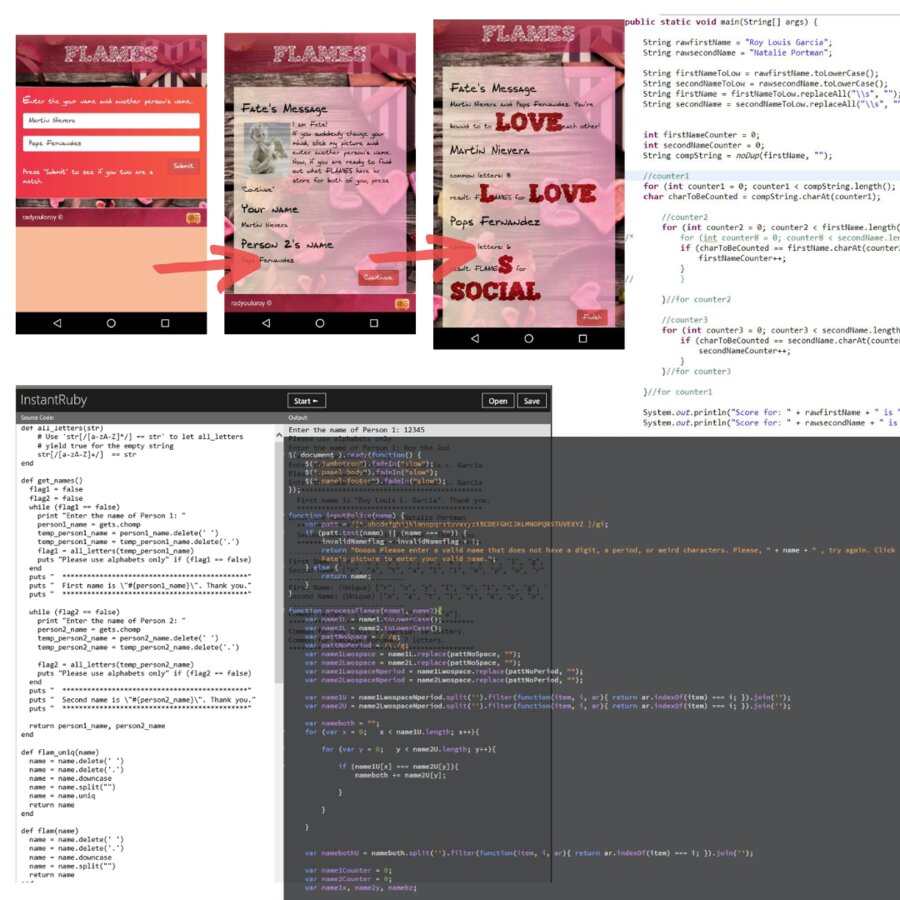
My blog, my learning tools, and the small projects I build to keep sharp — scripts that automate my own knowledge retention through Cherry Tree note organization, alongside MOOCs and personal development sandboxes. (The Raspberry Pi / Kali lab now lives under Security.)

1 / 0
Projects of Roy Louis L. Garcia

My MOOC (Massive Open Online Course) Certificates

1 / 0

MOOC Projects

1 / 0
COURSES

TOOLS

"We shape our tools and afterwards our tools shape us." - Marshall McLuhan


LINUX

Ubuntu, Kali Linux, Debian, CentOS, Redhat

WINDOWS

Powershell, Windows 11, Windows Server 2022, Active Directory, Group Policy

APPLE & Android

iOS, OS X, Xcode, Sketch, Android Studio

CLOUD SERVICES

Amazon Web Services, Microsoft Azure

DEVOPS

Docker, Kubernetes, Terraform

WEB TECHNOLOGIES

HTML5, CSS3, JavaScript, VIM, VS Code, Codepen.io

PROGRAMMING

Java, Python, Ruby

WEB FRAMEWORKS

Node.js, Flask, Ruby on Rails

DATABASES

MongoDB, PostgreSQL, Redis, SQLite, MariaDB


AMP SERVERS

Apache, MySQL, Php

CONTENT/LEARNING MANAGEMENT SYSTEMS

Wordpress, Moodle, Drupal

GRAPHICS, USABILITY, ASSISTIVE TECH

Photoshop, Illustrator, GIMP

MICROSOFT AZURE

Entra (formerly Azure AD), Sentinel, Intune, Defender for Endpoint

ELASTIC STACK

Elasticsearch, Logstash, Kibana, Filebeat

VERSION CONTROL

Git, GitHub, GitLab

FRONTEND TOOLS

Bootstrap, Sass, Jekyll

MOBILE & HARDWARE

Android Development, Arduino

INFRASTRUCTURE

Nginx, Vagrant

DATA SCIENCE & ML

Python, Pandas, PyTorch, TensorFlow, Seaborn

MONITORING & DESIGN

Grafana, Sketch

MODERN WEB STACK

Next.js (App Router, Server Components), React, TypeScript, Zod

DEPLOYMENT

Vercel, Supabase (Postgres, Auth, Storage, Row-Level Security)

SKILLS

... acquired from working for companies, being an entrepreneur, freelancing, taking MOOC courses, etc..

INTERESTS

Feel free to browse the things I enjoy reading, watching, tinkering with, and pondering upon